
little bluets native plants

Native Gardening
Brand new to native gardening in North Carolina or gardening in general?
These tips and ideas may help you as you begin your gardening journey.

Getting Started!

Plant
Suggestions

Container Gardens


Getting
Started!
Here are some tips to help you get started including, understanding your garden conditions, working in clay soils, how to plant and mulch.
_JPG.jpg)
Start Small
Begin with small, manageable garden projects that you feel confident you can complete. Although it can be tempting to take on all of your garden ideas, all at one time, it can leave you feeling overwhelmed and discouraged if you are not able to complete what you set out to do. Taking on small projects you are more likely to finish will leave you with a sense of accomplishment and ready to tackle the next project!
Get to Know Your Space!
Understanding how much sunlight your space gets and the amount of moisture in your soil are the first
steps to building the knowledge to successfully choose plants that will thrive in your garden.
_JPG.jpg)
Common Sneezeweeed and Garden Phlox both thrive in full sun and moist soils
Sunlight
Observe how many hours of sunlight your garden receives from late spring through
early fall (when shrubs and flowering perennials have foliage and blooms).
This will allow you to choose plants that will perform best in your particular garden settings.
Full Sun - Deep Shade ... what does each mean?
-
Full Sun: 6 or more hours of sun
-
Part Sun: 4-6 hours of sun
-
Part Shade: 2-4 hours
-
Shade: Less than 2 hours
Some other sunlight terms you may come across ...
-
Deep Shade: no sunlight
-
Dappled Shade: Under a tree where plants get only bits of sunlight coming through the canopy
Soil Moisture
Understanding how long your soil holds moisture can help in choosing plants.
While many plants do well in average moisture soils, some plants perform
best in either dry soils or moist to wet conditions.
Average Soil: Areas that neither hold water or dry out quicky
Dry Soil: Areas that, you guessed it, dry out quickly.
-
Areas on the upper part or the top of a slope
-
Spaces that get sun the entire day in the summer. Sandy soil drains well and therefore may dry out more quickly
Moist Soils: Areas that, yep, dry out sowly
-
Places where water pools and sits after rain. These are often the low points or areas at the bottom of a slope.
-
Areas that may occasionally flood
-
Along a stream or edges of ponds


_JPG.jpg)
_JPG.jpg)

There are many beautiful, full sun grasses and flowernig perennials that would have grown in prairies or meadows
Ferns, sedges, spring wildflowers and ephemerals that naturally grow in decidous woodlands create lovely shade gardens.
Lanceleaf Coreopsis does well in average soils, but is also drought tolerant.
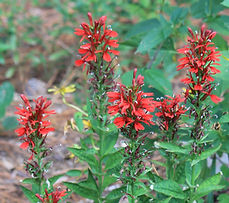
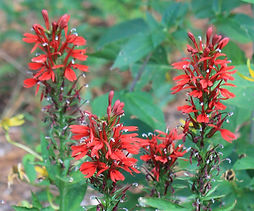
Cardinal Flower thrives in moist or even wet soil.
What to do with Clay Soil?!
Have you ever put a shovel into the ground, only to end up with your entire body reverberating like you struck a rock? Yep, the joys of gardening with clay soils!
Most of us in piedmont North Carolina have heavy clay soil, with little to no topsoil, especially if you are in more developed areas. The good news is that plants native to NC are adapted to clay soils. However, historically a layer of topsoil would have existed above the clay, which is often lost due to development or possibly farming. Therefore, amending the soil with compost can help create better growing conditions for your plants and make working in the soil much easier! Leaving the leaves that fall in your garden in autumn will help build your topsoil over time too!
Adding compost to the clay soil will ...
-
Aerate the compacted clay soil allowing the tender roots of new plants to grow
-
Create better drainage
-
Add nutrients and microorganisms to help foster plant growth
-
Make gardening easier for you and more enjoyable!
Mulching
Mulch will help retain moisture in your soil, help suppress weeds and over time help build your top soil.
What Type of Mulch is Best? … Almost any will do!
-
Leaf mulch (fallen leaves from the previous autumn) is free and works great.
-
Wood chips are also a great option and can be dropped at your house for free (or a tip). CHIP DROP is a way to request wood chips from arborists in your area. It’s super easy, just keep in mind they may drop A VERY LARGE AMOUNT, so unless you need A LOT of mulch it may be great to coordinate with neighbors and share!
-
Buying mulch in bags or from a landscape company also works!
Mulch to Avoid:
-
Dyed mulch (often black, red or dark brown), as this will add chemicals into your gardens
-
Rubber much … for obvious reasons 😉
Don't be afraid to make a mistake!
All gardeners have made mistakes and killed plants. It is one way we gain gardening knowledge.
Plant
Suggestions

Brand new to native gardening and unsure of what to plant?
Here are just a few ideas on perennials to help get you started!
These plants are easy to grow in NC and usually available from local sellers.
Tip: Planting one to three flowers that bloom in each of the seasons (spring, summer and fall),
will ensure you have beautiful blooms all season long.
_JPG.jpg)
Full Sun/Part Sun
Spring Blooming: Full/Part Sun
_JPG.jpg)
Blue-eyed Grass
Sisyrinchium angustifolium
Height: 1ft
- great border plant
_JPG.jpg)
Southern Sundrops Oenothera fruticosa
Height: 1-2ft
-
_edited.jpg)
Lanceleaf Coreopsis Coreopsis lanceolata
Height: 1-3ft
- reseeds easily
_JPG.jpg)
White Beardtongue
Penstemon digitalis
Height: 2-4ft
- great bumble bee flowers
Early Summer Blooming: Full/Part Sun
_JPG.jpg)
Butterfly Weed
Asclepias tuberosa
Height: 1-2ft
- drought tolerant
_JPG.jpg)
Purple Coneflower
Echinacea purpurea
Height: 2-4ft
- not deer resistant

Bee Balm
Monarda didyma
Height: 2-4ft
- grows on underground runners
_JPG.jpg)
Coral Honeysuckle
Lonicera sempervirens
Height: vine
- great vine for a trellis or arbor
Late Summer Blooming: Full/Part Sun
_edited.jpg)
Downt Skullcap
Scutellaria incana
Height: 1-3ft
- interesting seed pods

Narrow-leaf Mountain Mint
Pycnanthemum tenuifolium Height: 2-4ft
- many native Mtn Mint species
- grows on underground runners
_JPG.jpg)
Orange Coneflower
Rudbeckia fulgida
Height: 2-3ft
- drought tolerant
_JPG.jpg)
Joe Pye Weed
Eutrochium
Height: 5-7ft
Fall Blooming: Full/Part Sun
_JPG.jpg)
Aromatic Aster
Symphyotrichum oblongifolium
Height: 2-3ft
- trim back in June for a
fuller plant in fall
_JPG.jpg)
Grayleaf Goldenrod
Solidago nemoralis
Height: 2-4ft
- cut back in June for a
fuller plant in fall
_JPG.jpg)
Pink Muhly Grass
Muhlenbergia capillaris
Height: 2-4ft
_JPG.jpg)
Native Bluestems
- variety of species of
varying heights`
_JPG.jpg)
Shade/Part Shade
Spring Blooming: Shade/Part-Shade
_JPG.jpg)
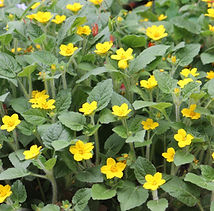
Green and Gold
Chrysogonum virginianum
Height: groundcover
- groundcover
_JPG.jpg)
Foam Flower
Tiarella cordifolia
Height: 1ft
- moist soil
_JPG.jpg)
Wild Geranium
Geranium maculatum
Height: 1-3ft
- moist soil
- full shade to part sun
_JPG.jpg)
Eastern Columbine
Aquilegiia canadensis
Height: 1-3ft
- part shade to part sun
Beautiful Summer Foliage: Shade/Part Shade

Christmas Fern
Polystichum acrostichoides
- moist to average soil
- evergreen

Southern Lady Fern
Athyruim asplenoides
- moist to average soil
_JPG.jpg)
Cherokee Sedge
Carex cherokeensis
- moist to average soil
- part shade-part sun
.jpg)
Appalachian Sedge
Carex appalachia
- average to dry soils
-
Fall Blooming: Shade/Part Shade
_JPG.jpg)
Woodland Goldenrod
Solidago caesia
Height: 1-3ft
- average to dry soil
- also grows in full-part sun
_JPG.jpg)
Turtlehead
Chelone glabra
Height: 2-4ft
- moist soil
_JPG.jpg)
Great Blue Lobelia
Lobelia siphilicata
Height: 2-3ft
- part shade to part sun

Big-headed Aster
Symphyotrichum grandifolium
Height: 1-3ft
- part shade to sun

Container Gardening

No space to plant in the ground? No problem!
Whether you only have a balcony or are renting and cannot plant in the ground, container gardens filled with native flowers will not only add beauty to your space, but they will be a source of habitat for little critters like insects, lizards and birds.
TIps for Container Gardening with Native Perennials
-
Be sure to fill your planters with flowers that require the same amount of sun.
-
You will likely need to divide the plants in your containers every year or so to control their size and prevent roots from becoming pot bound. Once you remove and divide your plant, place part of the division back in your planter and the rest you can plant someone else or share with friends or neighbors!
Spring Blooming
_JPG.jpg)
Blue-eyed Grass
Sisyrinchium angustifolium
Light: full sun - part shade
Soil: average

Piedmont Barbara's Buttons
Marshallia obovata
Light: part sun - part shade
Soil: average
_JPG.jpg)
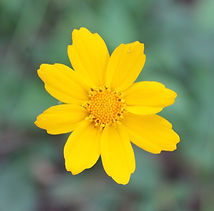
Lobed Tickseed 'Nana'
Coreopsis auriculata
Light: full sun
Soil: average
_JPG.jpg)
Eastern Columbine
Aquilegiia canadensis
Light: part sun - part shade
Soil: average
Spring Blooming
_JPG.jpg)
Foam Flower
Tiarella cordifolia
Light: shade
Soil: moist/average

Wild Geranium
Geranium maculatum
Light: shade to part sun
Soil: moist soil
_JPG.jpg)
Green and Gold
Chrysogonom virginianum
Light: shade/part shade
morning sun only
Soil: moist/average
_JPG.jpg)
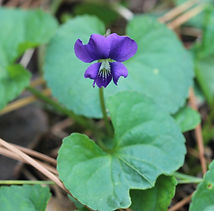
Native Violets
Viola sps
Light: shade to part shade
Soil: moist soil
Summer Blooming:
_JPG.jpg)
Nodding Onion
Allium cernuum
Light: full sun
Soil: average or dry
_JPG.jpg)
Butterfly Weed
Asclepias tuberosa
Light: full sun
Soil: average or dry
_JPG.jpg)
Purple Coneflower
Echinacea purpurea
Light: full sun - part sun
Soil: average
_JPG.jpg)
Maidenhair Fern
Adiantum pedatum
Light: shade
Soil: moist
Summer - Late Summer Blooming
_JPG.jpg)
Blue Sage
Salvia azurea
Light: sun
Soil: average
_edited.jpg)
Downy Skullcap
Scutellaria incana
Light: sun/part sun
Soil: average
_JPG.jpg)
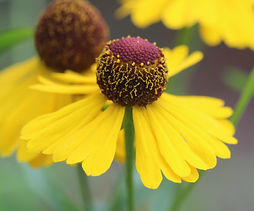
Purple Helenium
Helenium flexuosum
Light: sun/part sun
Soil: average
Fall Blooming
_JPG.jpg)
Woodland Goldenrod
Solidago caesia
Light: part sun
Soil: average
_JPG.jpg)
Cardinal Flower
Lobelia cardinalis
Light: part sun
Soil: moist
_JPG.jpg)
Great Blue Lobelia
Lobelia siphilitica
Light: part sun
Soil: moist